
Why Global Forums Matter - Lessons from WAC-10 with Director Jim Wheeler
In June, more than 20 Extent consultants travelled to Darwin for the 10th World Archaeological Congress (WAC-10), a major international gathering of heritage professionals, Traditional Owners, and academics. With a strong program of papers, case studies, and cultural experiences, the conference was an opportunity to share Extent’s expertise while learning from peers across Australia and overseas.
WAC is a non-governmental, not-for-profit organisation, founded in 1986, and is unique as a global archaeological body with elected representation. Every four years, it holds an International Congress, serving as an inclusive forum for a wide range of stakeholders, including archaeologists, heritage professionals, students, Indigenous groups, and members of the public.
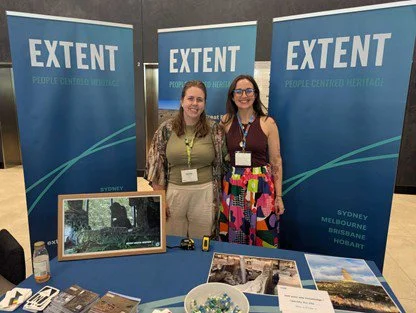
Figure 1 The Extent Booth at WAC-10

Figure 2 Jim Wheeler, Director at Extent Heritage
Jim Wheeler, one of Extent Heritage’s directors, convened a session on cultural landscape mapping and presented a paper on his research work in the Republic of Ireland. We spoke with him about his reflections from the event and why participation in forums like WAC matters for the sector.
What stood out at WAC-10
“It was incredible to see so many people that I've known and worked with over the years in archaeology and cultural heritage from all across Australia. So first and foremost, it was an amazing reunion of all those people over all those years, and so many Elders I've worked with in the Aboriginal community over those years.”
Jim spoke about the opportunity to gather with colleagues and peers from all across Australia and emphasised the central role of Traditional Owners in shaping the program. For the first time, the World Archaeological Congress took place in Australia, specifically in Larrakia Country (Darwin). A significant milestone for both the organisation and Australian archaeological practitioners and Indigenous communities.
“It was great to see such a huge effort made by the organisers and Traditional Owners and embed them pretty deeply in the conference.”
International voices added further value, bringing perspectives that allowed for meaningful comparisons with work in Australia. The World Archaeological Congress has long been recognised for its ethical leadership, from the Vermillion Accord on Human Remains to the Tamaki Makau-rau Accord on Sacred Objects. With its 10th edition held in Australia, that commitment takes on new resonance, placing Indigenous knowledge and cultural respect at the heart of a truly global gathering.
WAC 10 is a global event, and a quite unique opportunity to gather research and knowledge from all around the world.
“There were some really amazing international attendees and speakers who brought interesting perspectives on the kind of work they're doing, so we were able to compare notes between our work in Australia and what colleagues are doing overseas.”
Presenting on cultural landscape mapping
Jim’s presentation at WAC10 underscored the importance of cultural values mapping as a tool for understanding landscapes not only through archaeology but through the perspectives of Traditional Owners and wider communities. Cultural values mapping involves documenting the tangible and intangible meanings attached to landscapes, drawing on stories, practices, and social connections as well as physical evidence.
Jim’s paper highlighted the value of multidisciplinary approaches in cultural landscape mapping.
“One of the main things we were looking to do in that session was to showcase the diversity of cultural values mapping work, both in approaches but also in technology and techniques that are being applied, and to look at that internationally to see what people from different parts of the world have been doing in that space.”
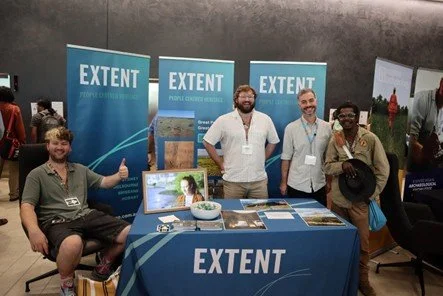
Figure 3 Connecting with colleagues
The emphasis, he noted, was on innovation and integration.
“The underlying thing there is the multidisciplinary nature of those approaches and how powerful that can be to bring in really cutting-edge technology, people from other disciplines, allied disciplines, along with traditional archaeology, and then along with cultural values and social perspectives of Traditional Owners, to bring a better understanding and bring new stories about cultural landscapes.”
At WAC, this work was framed within a global context that highlighted the innovation and diversity of methods being used – from cutting-edge technologies to multidisciplinary collaborations. The Congress demonstrated how bringing together archaeologists, allied disciplines, and Indigenous knowledge holders can generate new insights and richer narratives about cultural landscapes, reinforcing the value of cultural heritage as both locally grounded and internationally relevant.
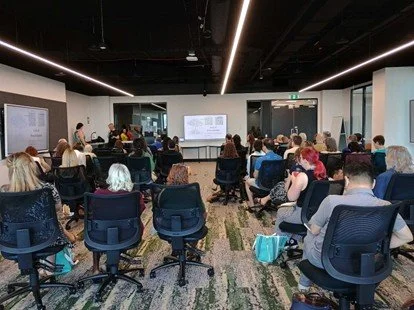
Figure 4 One of our heritage sessions
International insights on archaeological work
Reflecting on WAC10, Jim noted that the experience itself offered eye-opening insights into the scale and ambition of international projects. Presentations, such as Headland Archaeology’s work reconstructing environmental and cultural landscapes across major infrastructure corridors in the UK, revealed the level of resources being directed overseas.
“It was interesting to see the scale of some of the work being done overseas, and there was a paper by our colleagues at Headland Archaeology that presented the results of an enormous road project they investigated and talked about the work they did reconstructing the environmental and cultural landscape across a large cross-section of the UK, and that was really quite eye-opening.”
The congress also underlined how new the field of cultural values mapping remains, with Traditional Owners and researchers trialling diverse approaches. This global exchange highlighted both the challenges and the opportunities of a rapidly evolving practice, reinforcing the importance of shared learning in shaping effective methodologies.
“It was really valuable to hear from other Traditional Owners and colleagues about their work in cultural values mapping. Because it’s a relatively new field, people are taking fresh approaches, and it was great to be able to compare notes.”
Why global participation matters for Extent
Extent’s strong presence at WAC-10 reflected more than attendance, it demonstrated the company’s ongoing commitment to research and innovation. Reflecting on why it matters for Extent to participate in global events like WAC, Jim emphasised that investment in high-quality research and in the people who drive it has always been at the core of Extent’s approach, with consultants encouraged to be innovative and to push the boundaries of heritage practice.
“Extent has always been committed to high-quality research and investment in great people. That's the cornerstone of our practice. We've got great consultants who are very engaged in the work that they do, they're trying to be innovative, they're trying to push the boundaries of research so we can tell new stories and provide new insights about people and their history and their landscapes.”
“We had 20 people up there for the conferences, and of that we had a large number of papers, I think off the top of my head there might have been 12 or so Extent staff who were actually giving papers, and there were about 3 or 4 of us doing sessions as well, so it was a substantial contribution from Extent.”
Beyond the presentations, Jim highlighted the value of exchanging ideas with academic and professional colleagues worldwide:
“It was the opportunity to talk to international colleagues in academia and in professional archaeology, and get a better sense of what they're doing, which then can feed back into our work and inspire us to look at lifting our game.”
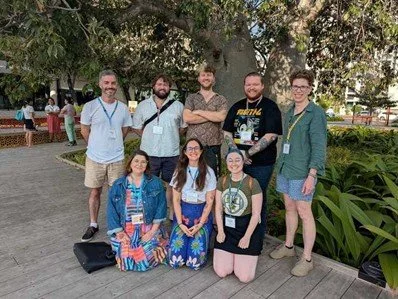
Figure 5 Extent’s team at the conference.
For those who couldn’t attend
One of the most striking aspects of WAC-10 was the atmosphere created by the strong presence of Traditional Owners, whose crafts, music, and dance set the tone for the congress. This blending of cultural expression with academic dialogue reinforced WACs distinctive role as more than a scholarly gathering: it is a meeting place where lived traditions and professional research intersect.
“I think how colourful and happy that event was with so many Traditional Owners attending and contributing to the academic sessions and cultural events. There were so many traditional owners from the Northern Territory and other areas of Australia who were there doing crafts and music, and dance. So, there was this kind of entry into the conference venue… almost like a cultural expo.”
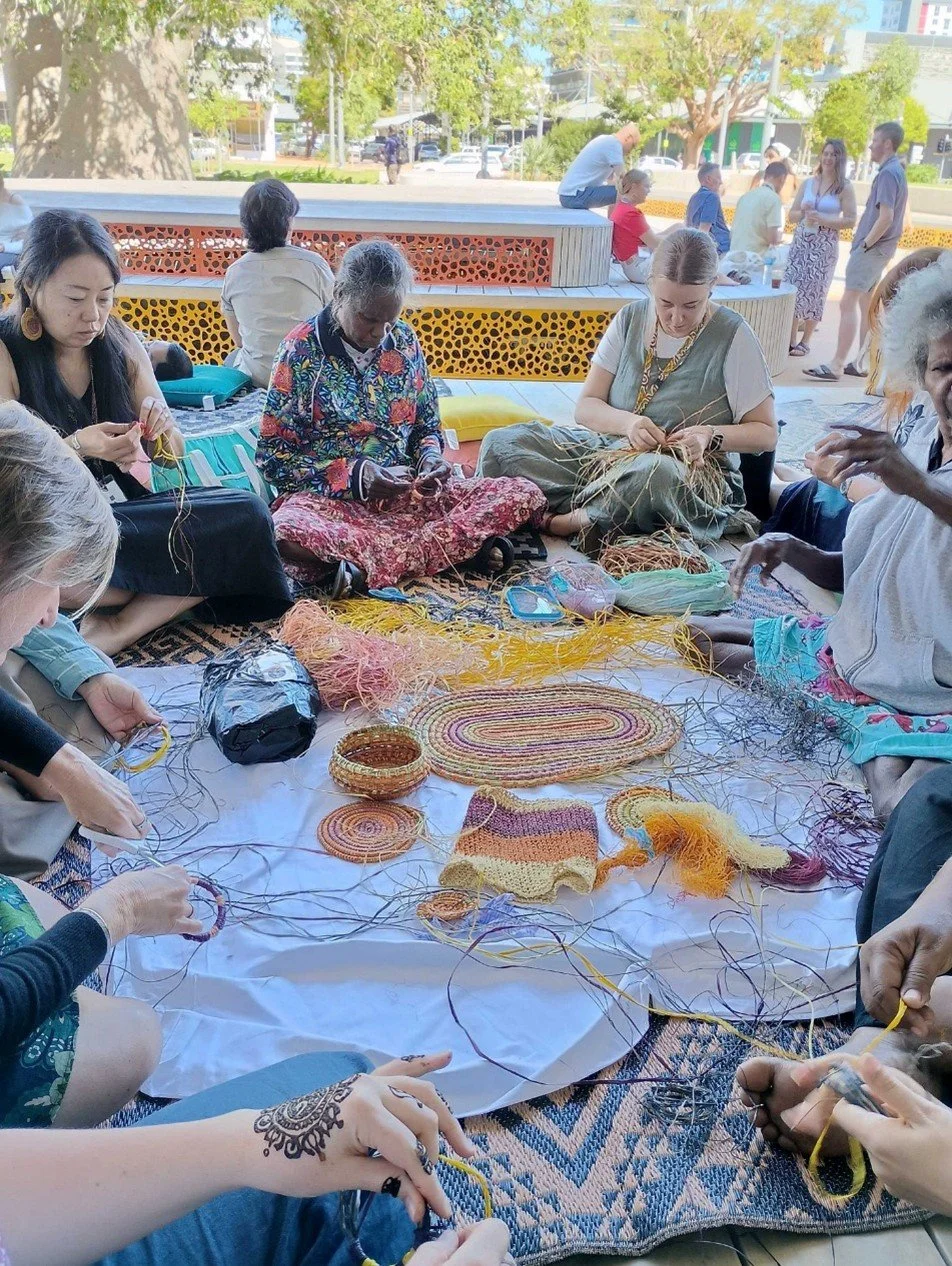
Figure 6. Hands-on learning and celebrating the artistry and traditions of First Nations makers
The blending of cultural experiences with academic sessions made for a memorable and inspiring week. For cultural values mapping in particular, this environment was significant.
A few words to sum it up
For Jim, WAC-10 was as rewarding personally as it was professionally. Alongside the academic program, the opportunity to experience Litchfield National Park and the landscapes near Darwin brought the themes of cultural landscapes to life. His overall impression was simple but telling: the congress was a memorable, energising experience that combined serious scholarship with the joy of cultural exchange and connection to place.
“It was great and we had a good time and learned a lot and the side trips were great too, so we all got to go off and explore places like Kakadu and Litchfield National Park and go swimming in water holes and things like that, so that was great.”
If you’d like to see more stories like this - grounded in place, guided by expertise, and centred on people - subscribe to stay connected. We’ll be sharing reflections from the field, insights into our work across Country, and snapshots of the past that still shape the present.